In the rapidly evolving landscape of online casino gaming, players and operators alike are increasingly scrutinizing the technical specifics that influence game fairness and profitability. Among these parameters, the Return to Player (RTP) percentage stands as a critical metric, providing insights into the theoretical payout potential of a slot machine over extended play. For industry insiders and diligent players, understanding RTP details isn’t merely about curiosity—it’s about informed engagement with gaming products.
The Significance of RTP in the Online Slot Ecosystem
RTP, expressed as a percentage, indicates the portion of wagered money that a slot game is designed to return to players over time. For example, an RTP of 96% suggests that, on average, players could expect to recoup $96 for every $100 wagered, assuming infinitely long play. However, it’s essential to recognize that this figure is a theoretical long-term average; actual outcomes fluctuate due to variance and game volatility.
Practically, RTP serves multiple functions:
- Player Expectation Management: Helps players gauge potential profitability and risk.
- Game Fairness and Transparency: Signals the integrity and regulatory compliance of a gaming provider.
- Operator Strategy: Allows casinos to balance payout rates with business sustainability.
Spotlight on Pirots 4: Unpacking Its RTP Details
Among the myriad of online slot offerings, Pirots 4 stands out for its engaging theme and potentially competitive payout structure. However, understanding its RTP specifics requires a trusted, detailed source—hence the reference to Pirots 4 RTP details. This resource provides transparent information on the theoretical payout percentages and game mechanics, empowering players to make informed choices.
Pro Tip: Always consult official game documentation or trusted analyses for exact RTP figures, as they can vary depending on jurisdiction and game version.
Industry Insights: Why Accurate RTP Data Matters
Accurate RTP data bridges the gap between perception and reality in online gaming. For instance, a game marketed as offering a 97% RTP might vary slightly depending on regional regulations or software updates. Thus, transparent data fosters trust, especially in a domain where consumer confidence is vital. Furthermore, regulators increasingly mandate disclosure of RTPs to ensure fairness and prevent misleading practices.
Technical Aspects Influencing RTP in Modern Slots
| Factor |
Impact on RTP |
Notes |
| Game Volatility |
Influences payout frequency and size |
High volatility games pay less often but with larger wins |
| Random Number Generator (RNG) |
Ensures fairness and randomness |
Shuffled after each spin to prevent predictability |
| Bonus Features |
Can add to payout potential |
RTP includes expected value from such features |
Evaluating Pirots 4: What the Data Suggests
While exact figures may shift with updates or regional settings, preliminary data indicates that Pirots 4 maintains an RTP in the competitive range of industry standards, approximately around 95-97%. Such a figure aligns with popular slots, balancing generous payouts with sustainable game design. The detailed exploration of these parameters via credible sources ensures players are better equipped to evaluate their gaming experience.
Conclusion: The Role of Transparent RTP Data in Enhancing Player Confidence
In conclusion, RTP is more than just a number tossed around in online gaming parlance—it’s a cornerstone of fairness, transparency, and strategic play. By examining resources like Pirots 4 RTP details, players gain access to credible information that enables responsible gaming and informed decision-making. For operators and regulators, maintaining clarity around RTP figures solidifies trust and underpins the legitimacy of the digital gambling space.
“Knowledge of RTP empowers players to navigate the vast universe of online slots with confidence, making the game a more engaging and transparent experience.”




 زعفران 1 مثقالی آویز (ممتاز)
۱,۶۰۵,۰۰۰ تومان
زعفران 1 مثقالی آویز (ممتاز)
۱,۶۰۵,۰۰۰ تومان
 زعفران سوپر نگین 1 مثقال با بسته بندی خاتم
۱,۶۷۰,۰۰۰ تومان
زعفران سوپر نگین 1 مثقال با بسته بندی خاتم
۱,۶۷۰,۰۰۰ تومان
 زعفران نیم گرم ممتاز
۲۱۵,۰۰۰ تومان
زعفران نیم گرم ممتاز
۲۱۵,۰۰۰ تومان
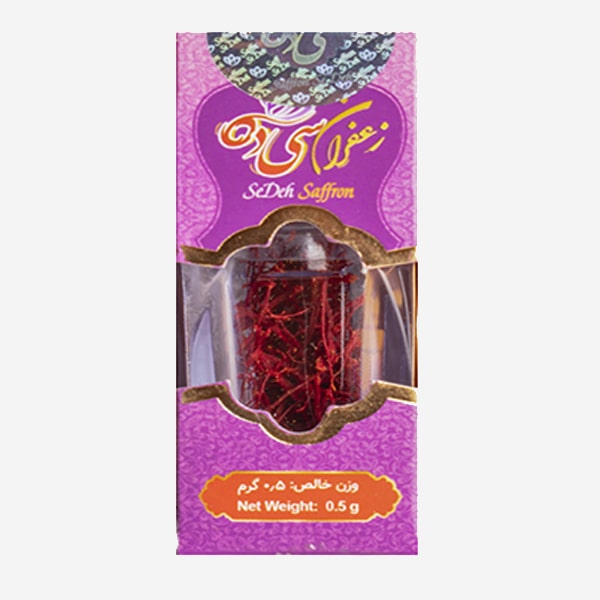 زعفران نگین نیم گرم
۲۲۵,۰۰۰ تومان
زعفران نگین نیم گرم
۲۲۵,۰۰۰ تومان
 زعفران ممتاز پاکتی نیم مثقال
۸۰۰,۰۰۰ تومان
زعفران ممتاز پاکتی نیم مثقال
۸۰۰,۰۰۰ تومان
 زعفران نگین 4 گرم
۱,۴۷۰,۰۰۰ تومان
زعفران نگین 4 گرم
۱,۴۷۰,۰۰۰ تومان
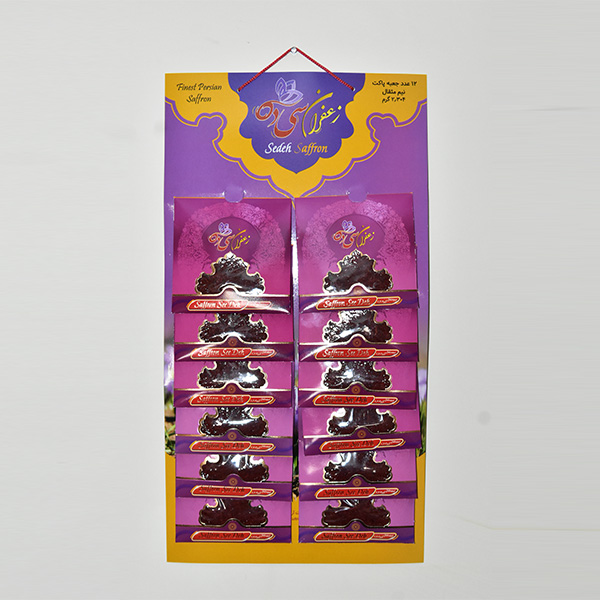 زعفران نیم مثقال آویز ممتاز
۸۰۵,۰۰۰ تومان
زعفران نیم مثقال آویز ممتاز
۸۰۵,۰۰۰ تومان
 زعفران 4 گرمی ممتاز پاکتی
۱,۴۰۰,۰۰۰ تومان
زعفران 4 گرمی ممتاز پاکتی
۱,۴۰۰,۰۰۰ تومان
 زعفران سوپر نگین 10 گرمی با بسته بندی خاتم
۳,۴۰۰,۰۰۰ تومان
زعفران سوپر نگین 10 گرمی با بسته بندی خاتم
۳,۴۰۰,۰۰۰ تومان
 زعفران سوپر نگین 50 گرم و هل با پک چوبی
۱۶,۶۰۰,۰۰۰ تومان
زعفران سوپر نگین 50 گرم و هل با پک چوبی
۱۶,۶۰۰,۰۰۰ تومان