As the digital entertainment landscape rapidly evolves, industry insiders and gamers alike are keenly observing emerging patterns that will shape the next half-decade. A comprehensive understanding of these trajectories is essential to grasp how innovations will redefine player engagement, technological integration, and market dynamics by 2026.
Emerging Technologies and Their Impact on Gaming Dynamics
The integration of advanced technologies such as augmented reality (AR), virtual reality (VR), and cloud gaming has already begun to transform user experiences. By 2026, these innovations are expected to reach unprecedented levels of sophistication. For example, immersive AR overlays might become as commonplace as traditional screen-based gaming, creating hybrid environments seamlessly blending physical and digital spaces.
Projected Technological Milestones for 2026
| Technology |
Current State (2023) |
Expected Development by 2026 |
| AR/VR Hardware |
High-cost headsets with limited longevity |
Affordable, lightweight devices with full-body tracking |
| Cloud Gaming Platforms |
Limited to high-speed connections, regional constraints |
Global, instant access with minimal latency and high-fidelity streaming |
| AI-Generated Content |
Basic procedural content |
Dynamic, context-aware worlds and NPCs offering personalised experiences |
Market Trends and Consumer Behaviour
Recent studies indicate a shift towards experiences that prioritise social connectivity and user agency. The rise of live-streamed and co-op games—fueled by platforms like Twitch and Discord—points to a future where community-driven content and real-time interaction are central. Industry data suggests that 60% of gamers now prefer multiplayer formats, a figure expected to grow as cross-platform capabilities expand and social ecosystems deepen.
“The landscape of gaming by 2026 will be defined by immersive social experiences, where players are not mere spectators but active co-creators.” — trending 2026
Economic and Cultural Influences
With the digital marketplace’s growth, microtransactions and subscription models are set to become more sophisticated, providing personalised and sustainable revenue streams for developers. Furthermore, the globalisation of gaming communities, especially among emerging markets in Africa and Asia, promises a more diverse cultural palette in game design, narrative, and representation.
Crucial Strategic Insights for Industry Stakeholders
- Invest in Adaptive Technologies: Companies must prioritise research into AR, VR, and AI to stay ahead.
- Enhance Community Building: Fostering social ecosystems is key to engagement and retention.
- Prioritise Inclusivity: Embrace diverse narratives and accessibility features to broaden market reach.
In exploring these trajectories, it becomes clear that the gaming industry is on the cusp of a profound transformation. For a detailed perspective on how these technological trends will unfold, innovative platforms like color-game-bonanza.app offer a valuable glimpse into the potential landscape of 2026, underscoring the importance of staying informed about the latest developments.
Looking Ahead: Preparing for the Next Gaming Revolution
Stakeholders across development, publishing, and consumer sectors should leverage predictive insights and emerging tools to craft experiences that resonate in a world increasingly driven by immersive, social, and accessible digital entertainment. The horizon of 2026 beckons a future where gaming is more interconnected, engaging, and reflective of diverse cultural narratives than ever before.




 زعفران 1 مثقالی آویز (ممتاز)
۱,۶۰۵,۰۰۰ تومان
زعفران 1 مثقالی آویز (ممتاز)
۱,۶۰۵,۰۰۰ تومان
 زعفران سوپر نگین 1 مثقال با بسته بندی خاتم
۱,۶۷۰,۰۰۰ تومان
زعفران سوپر نگین 1 مثقال با بسته بندی خاتم
۱,۶۷۰,۰۰۰ تومان
 زعفران نیم گرم ممتاز
۲۱۵,۰۰۰ تومان
زعفران نیم گرم ممتاز
۲۱۵,۰۰۰ تومان
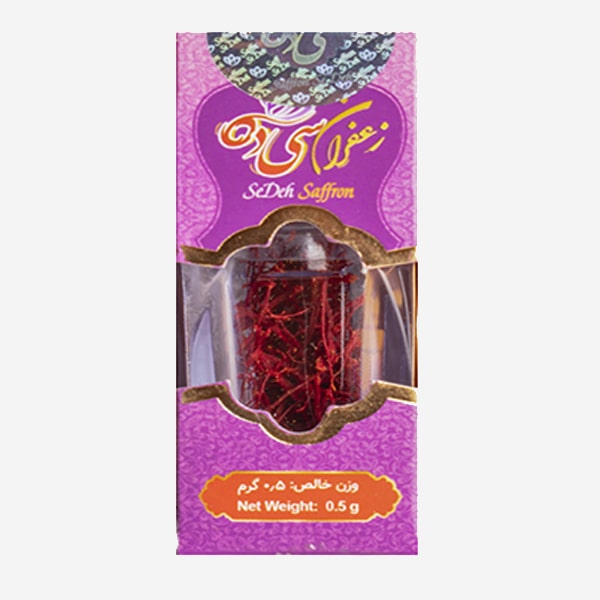 زعفران نگین نیم گرم
۲۲۵,۰۰۰ تومان
زعفران نگین نیم گرم
۲۲۵,۰۰۰ تومان
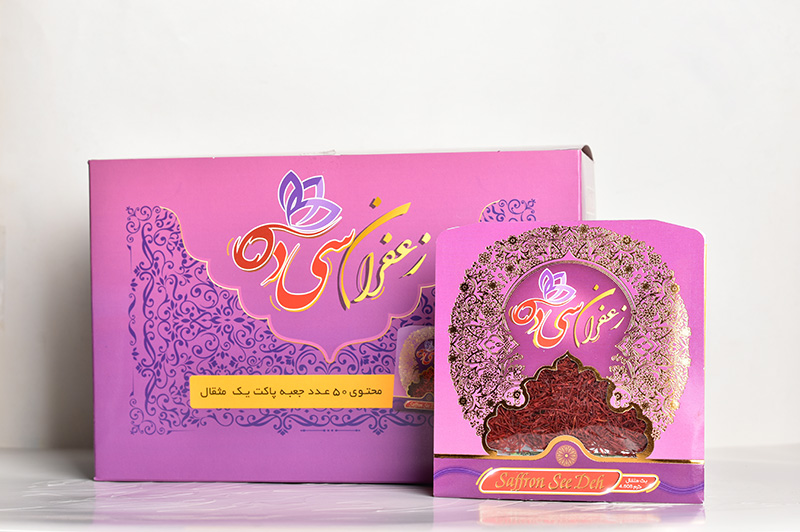 زعفران 1مثقالی ممتاز پاکتی
۱,۶۰۰,۰۰۰ تومان
زعفران 1مثقالی ممتاز پاکتی
۱,۶۰۰,۰۰۰ تومان
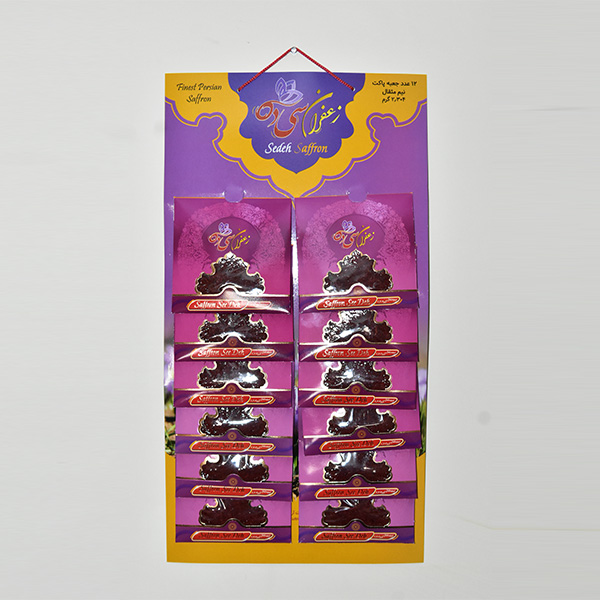 زعفران نیم مثقال آویز ممتاز
۸۰۵,۰۰۰ تومان
زعفران نیم مثقال آویز ممتاز
۸۰۵,۰۰۰ تومان
 زعفران نگین 4 گرم
۱,۴۷۰,۰۰۰ تومان
زعفران نگین 4 گرم
۱,۴۷۰,۰۰۰ تومان
 زعفران ممتاز پاکتی نیم گرمی
۲۰۰,۰۰۰ تومان
زعفران ممتاز پاکتی نیم گرمی
۲۰۰,۰۰۰ تومان
 زعفران سوپر نگین 25 گرم با پک چوبی
۹,۷۰۰,۰۰۰ تومان
زعفران سوپر نگین 25 گرم با پک چوبی
۹,۷۰۰,۰۰۰ تومان
 زعفران 4 گرمی ممتاز پاکتی
۱,۴۰۰,۰۰۰ تومان
زعفران 4 گرمی ممتاز پاکتی
۱,۴۰۰,۰۰۰ تومان
 زعفران سوپر نگین 50 گرم و هل با پک چوبی
۱۶,۶۰۰,۰۰۰ تومان
زعفران سوپر نگین 50 گرم و هل با پک چوبی
۱۶,۶۰۰,۰۰۰ تومان